 Simon Townsend
 RAM prices have dramatically surged due to increased demand for High Bandwidth Memory (HBM) from AI data centers, creating significant budget challenges for IT leaders managing device fleets.
- The "RAMpocalypse" has seen DDR5 prices jump over 400% in a year, impacting PC costs and device procurement across industries as manufacturers prioritize HBM production.
- Digital Employee Experience (DEX) tools, such as ControlUp ONE, are crucial for making data-driven decisions regarding hardware provisioning, optimizing upgrades, and extending device lifecycles.
- By providing granular insights into device performance and usage, DEX platforms enable organizations to right-size purchases, avoid over-provisioning, and protect IT budgets amidst volatile component prices.
Remember when 32GB of RAM felt like a lavish luxury, or at least a reasonably priced upgrade? Those days, my friends, are long gone.
We’re in the midst of what some are calling the “RAMpocalypse,” and if you’re an IT leader, a CFO, or anyone responsible for managing device fleets, this is a wake-up call.
Just look at these charts tracking RAM prices in recent months and, in the third snapshot, even the last two years:
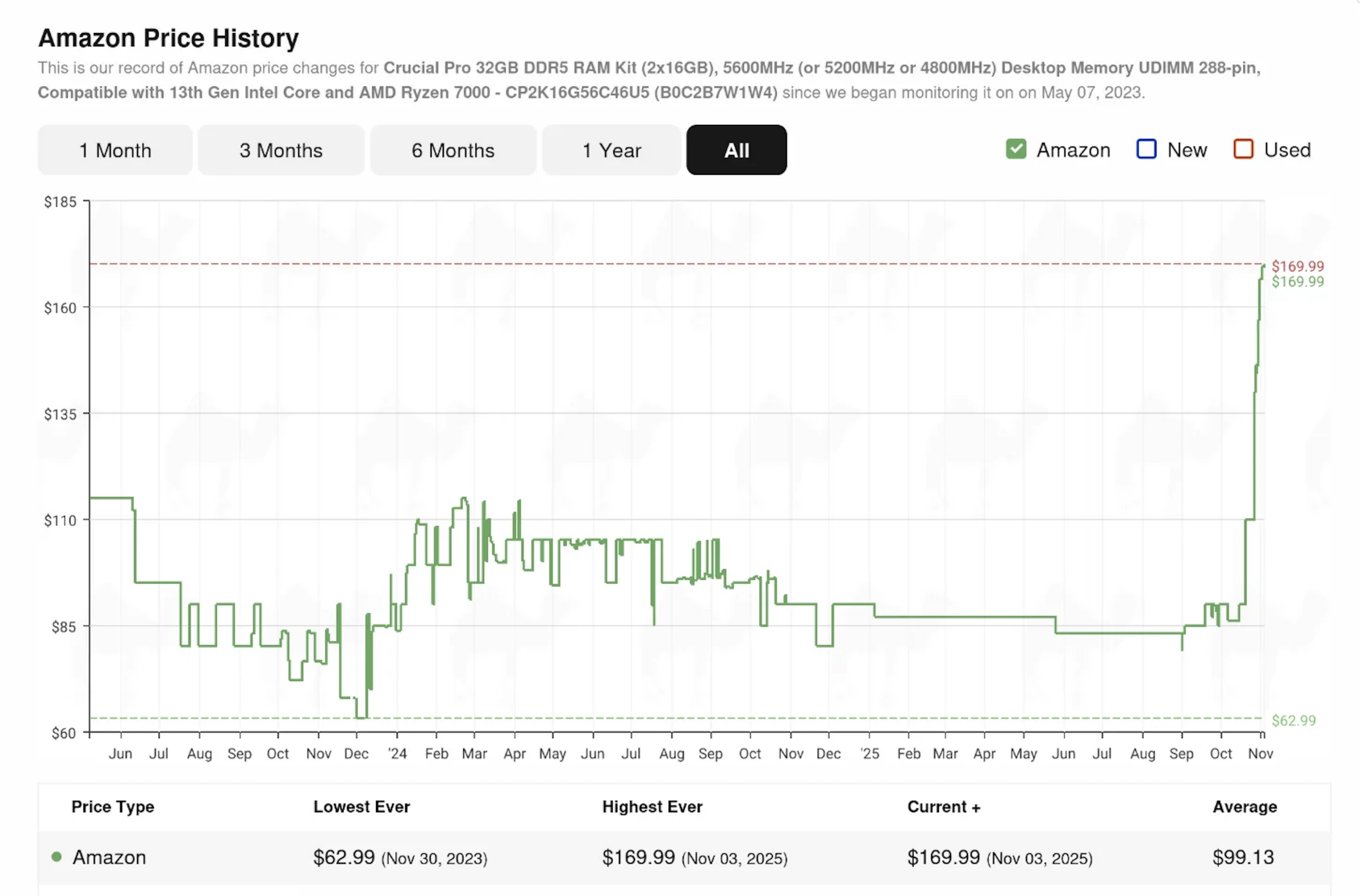
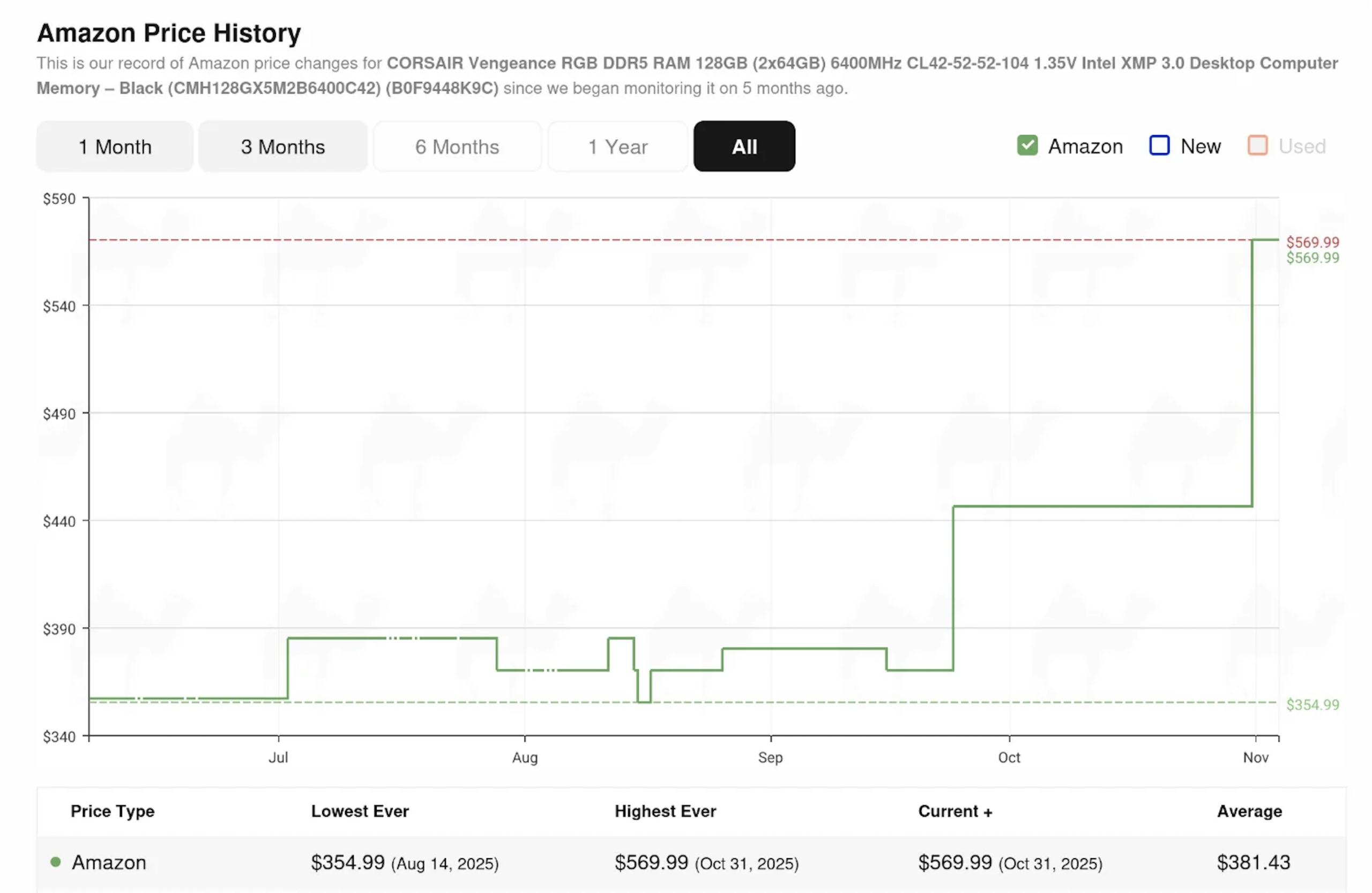
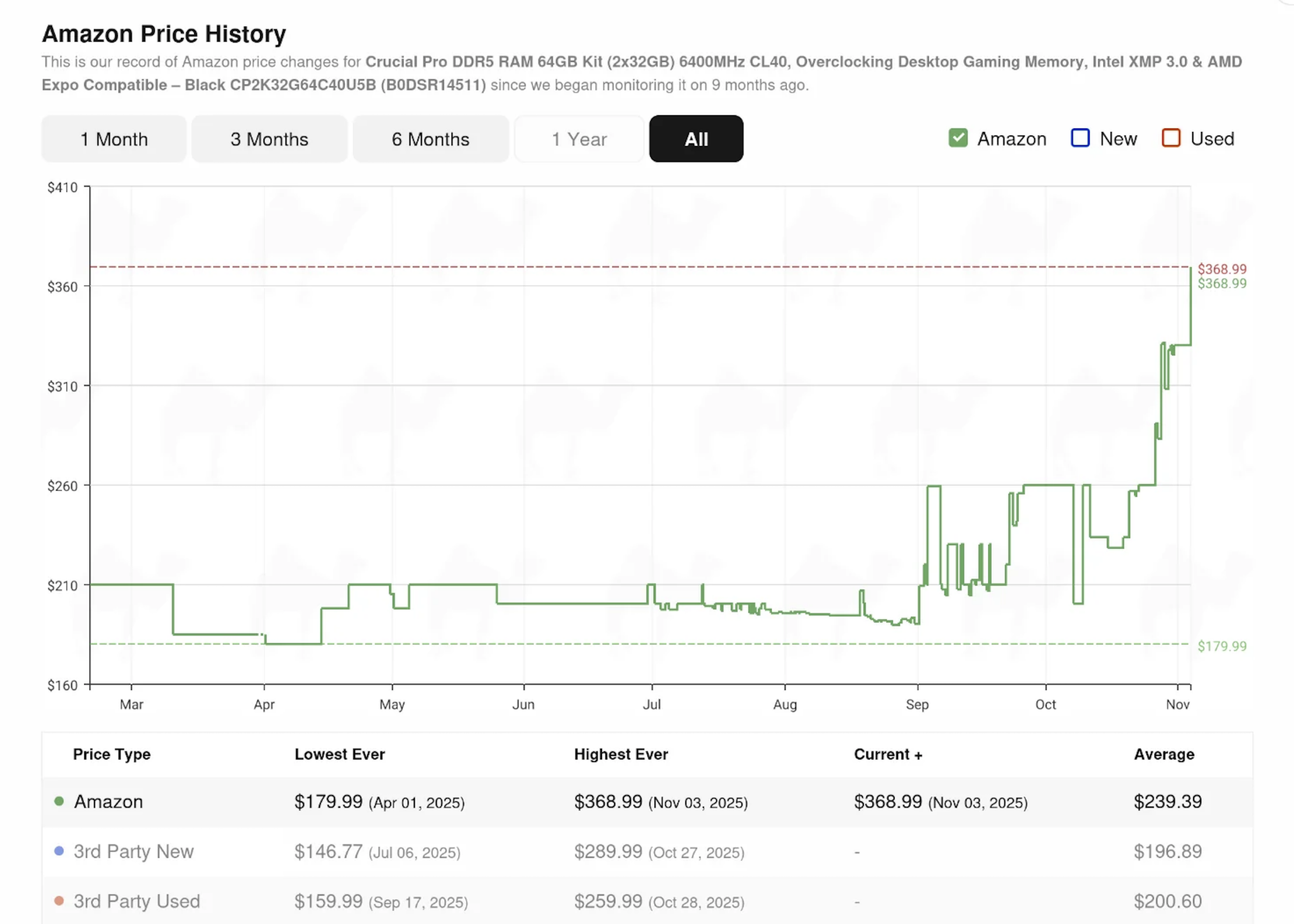
Across every dataset, the trajectory is the same: a steep climb beginning in late 2024, accelerating sharply through 2025, and hitting its peak in early 2026.
I grabbed these from Reddit, in one of the endless threads where IT pros and gamers lament about the spike in DDR5 ram prices that won’t seem to cease.
If you’ve tried to get a laptop order approved this quarter, chances are your jaw hit the floor… and then you had to have an awkward conversation with finance.
RAM Went From Affordable to Astronomical
RAM prices haven’t just crept up. They’ve detonated! If you handle fleet device management, the issue quickly escalated from initial curiosity to a shocking reality and real budget-breaker.
- Early 2025: You could snag a 32GB DDR5-6000 kit for around $82. A 32GB DDR4 kit was a mere $47. These were the golden days of memory affordability.
- February 2026: Fast forward to today, and those same 32GB DDR5 kits are averaging over $430. DDR4, while still cheaper, has also quadrupled in price.
We’re looking at a 400% price increase in crucial components within one year. A 32GB kit now costs as much as a mid‑range laptop did two years ago.
No wonder people are in an uproar. Shops are selling RAM like it’s lobster.
So, what’s happening? Why are RAM prices so high? When it comes to specialized goods in any economy, look to demand.
The AI Supply Chain Crisis
The culprit behind this dramatic surge is the insatiable demand for High Bandwidth Memory (HBM). AI data centers, fueled by the generative AI boom, are ravenously consuming HBM. This is leading global memory manufacturers to shift their production away from traditional consumer DRAM.
Less supply for our laptops and desktops means higher prices.
Industry Leaders Are Sounding the Alarm
This chatter is everywhere. In December, tech journalist Emma Roth published an article in The Verge titled Ram is Ruining Everything and reported:
Memory suppliers just blew a hole in the PC gaming industry – and they’re about to do the same to everything else. For weeks, PC enthusiasts have borne the brunt of skyrocketing memory prices, but the shockwaves will soon impact a wider range of products as suppliers pour resources into a far bigger and more lucrative endeavor: AI.
The biggest names in the AI industry are buying up DRAM memory for their sprawling data centers, and memory makers are prioritizing their demands over everyone else’s. DRAM is embedded “in every part of our digital society today,” Jeff Janukowicz, research VP at IDC, tells The Verge. That’s everything from laptops to smartphones, gaming consoles, smart TVs, cars, and even small amounts in solid-state drives (SSDs). “There’s a lot at stake,” he says.
Another article in The Verge shared Phison CEO Pua Khein-Seng’s take on the RAM crisis. A leading voice for just how bad the RAM shortage might get in 2H 2026, Seng says companies may need to cut back their product lines and might risk dying if they can’t get the components they need.
According to The Register, HP CEO Bruce Broussard says RAM accounts for 35% of its PC costs now. That’s up from 15-18% just three months earlier. While no price hikes have been announced yet, it certainly feels like RAMageddon is on the horizon.
You get the point. And companies need a solution on how to win amidst this supply and demand volatility. That’s where DEX comes in.
Battling Expensive Upgrades and Budget Headaches
This shift presents a massive challenge for organizations. With memory prices skyrocketing, every decision about new laptop purchases, upgrades, and device refreshes needs to be critically examined.
You can no longer afford to guess when it comes to hardware needs and device lifecycle management. Over-provisioning RAM is now a costly mistake, and under-provisioning leads to frustrated employees and productivity loss. Hardware provisioning has to be precise.
With RAM inflating faster than budgets, organisations need a way to stop making guesses and start making evidence‑based decisions about what to buy, when to refresh, and which devices genuinely need attention.
How Digital Employee Experience (DEX) Tools Help with Device Cycle Management
This is where a digital employee experience platform like ControlUp ONE becomes indispensable. In an era of shrinking hardware budgets and volatile component prices, DEX software provides the intelligence you need to make informed decisions about your IT spending
Here are five ways ControlUp helps IT leaders and companies survive the RAMpocalypse today and thrive into the future:
1. Identify Underperforming Devices & Optimize Upgrades
Don’t just guess which laptops need more RAM or a full replacement. ControlUp provides granular insights into device performance, application usage, and resource bottlenecks. It can pinpoint exactly which machines are struggling due to insufficient memory. Doing so allows you to target upgrades precisely where they’ll make the biggest impact and avoid unnecessary spending on devices that are still performing well.
2. Right-Size Your Purchases
Before buying new machines, leverage DEX data to understand the actual memory requirements for different user roles and departments. Are your sales team members truly leveraging 32GB of RAM, or could they operate efficiently with 16GB, freeing up budget for those who genuinely need more? ControlUp helps you define optimal hardware specifications based on real-world usage.
3. Extend Device Lifecycles
With hardware becoming more expensive, extending the device lifecycle of your existing fleet is paramount. DEX tools can help you proactively identify and resolve performance issues that might otherwise lead to premature device replacement. By optimizing existing hardware and ensuring it runs efficiently, you can delay costly refresh cycles.
4. Proactive Troubleshooting & Cost Avoidance
When a user complains about a slow machine, ControlUp can quickly diagnose if it’s a RAM issue, a problematic application, or something else entirely. This rapid resolution prevents productivity loss and avoids the knee-jerk reaction of replacing an entire device when a simpler, more cost-effective solution (like adding more RAM, if truly necessary, or optimizing software) is available.
5. Monitor User Sentiment
Beyond raw performance data, DEX tools also capture user sentiment. If employees are constantly reporting slow systems, it’s a clear indicator that something needs attention, whether it’s hardware or software. This helps validate data-driven decisions with real-world employee feedback.
Beat the RAMpocalypse Before It Drains Your Budget
Don’t let the RAMpocalypse catch you unprepared. It’s not slowing down, but with the right DEX strategy, your costs don’t have to spiral with it.
In this volatile market, leveraging DEX tools like ControlUp goes way beyond improving employee experience. It’s also about making smarter, data-driven decisions that protect your budget and optimize your entire device lifecycle management strategy.
Want to see how to spot bottlenecks, right‑size RAM, and make smarter hardware decisions?