Mobile Device Management MDM is more than just software. It’s a strategic approach to managing mobile devices so they remain secure, compliant, and reliable wherever work happens. It’s also about ensuring they deliver consistent, secure performance across your organization. But for organizations supporting remote and frontline teams, traditional MDM alone often stops short of showing how those devices actually perform in the real world.
Table of Contents
- The Quick Summary
- Rethinking Enterprise Mobile Device Management: From Software to Strategy
- The Pillars of Modern Mobile Device Management
- Mobile App Management and Policy Enforcement for a Moving Workforce
- Digital Experience Monitoring for Proactive IT and Reliable Workdays
- Bringing Digital Employee Experience to the Frontline
- Balancing BYOD Strategies and Remote Device Management
- Mobile Device Lifecycle Management Through Circular IT
- Making The Case for Integration: Unified Platforms vs. Tool Sprawl
- Measuring the Business Impact of MDM Through KPIs and ROI
- Future-Proofing Your MDM Strategy
- Conclusion: Empowering People Through Performance-Optimized Devices
- Q&A
The Quick Summary
MDM is a strategic discipline that blends security, integration, usability, and automation to support productive mobile workforces. It includes app management, policy enforcement, digital experience monitoring, BYOD strategies, remote management, and complete device lifecycle practices.
When enhanced with Mobile DEX capabilities—powered by digital employee experience (DEX) software—IT gains deep visibility into real-world performance. They can see battery health, application resource consumption, network quality, usage patterns, device locations, and predictive analytics in an instant. With this, IT can prevent issues before they impact operations.
Together, MDM software and Mobile DEX solutions minimize tool sprawl, align mobile infrastructure with business needs, and turn devices into reliable, high-performing business assets for every employee who depends on them.
While MDM starts with software, managing mobile devices at scale quickly becomes an operational challenge that spans security, performance, and the digital employee experience.
Organizations that manage fleets of mobile devices often face ongoing challenges: security threats, compliance requirements, and the complexity of keeping remote teams working effectively. MDM solutions provide the foundation, but they don’t always show how those devices are performing once they’re in the hands of users.True mobile device management extends beyond deployment and policy enforcement. It requires continuous visibility, smarter planning, and ongoing optimization that strengthen both security and the digital employee experience (DEX).
Effective MDM brings together mobile app management, digital experience monitoring, and real-time telemetry. This combination gives IT teams the insight they need to move from reactive troubleshooting to proactive performance management.
Security remains a top priority. Mobile policy enforcement protects sensitive data and maintains compliance, but it works best when paired with real-time visibility into device health, application behavior, and network conditions.
A robust MDM strategy helps IT teams manage devices efficiently while accomplishing their bigger goals. And when that strategy includes frontline workers and their mobile devices—not just office-based employees—it becomes a powerful driver of Mobile DEX, also known as Frontline DEX.
Rethinking Enterprise Mobile Device Management: From Software to Strategy
MDM has traditionally centered on mobile device management solutions and policy enforcement. While necessary, this approach often fails to answer critical questions: Are devices performing well? Which apps are using the most data? Where are connection issues occurring?
A strategic approach to mobile device management connects MDM solutions with business goals. It closes the gap between configuration and real-world performance by giving IT the telemetry needed to understand how devices behave on a day-to-day basis.Successful MDM requires more than deploying tools. It demands:
- Security architecture that adapts to evolving threats while keeping visibility into device health
- Deep integration with existing IT infrastructure and monitoring systems
- Performance telemetry that reveals how devices actually function under real-world conditions
- User-friendly design that minimizes friction and supports secure, productive work
→ Let mobile devices become an advantage, not another thing to fix.

The Pillars of Modern Mobile Device Management
Modern MDM Mobile Device Management rests on four foundational elements that drive effective device control, user satisfaction, and organizational efficiency.
To visualize this approach, picture MDM as a sturdy tower. Each pillar supports the structure, illustrating how comprehensive management strengthens an organization’s foundation.Enhanced Security Measures
Security forms the first pillar. MDM solutions must protect devices and sensitive data from threats while maintaining visibility into mobile device security posture. This means applying the right protocols for your risk profile, not just adding more restrictions.Seamless IT Integration
Integration ensures MDM works with existing IT infrastructure (identity systems, network monitoring, unified endpoint management (UEM) platforms). Proper integration reduces disruption, avoids redundant tools, and builds a more unified view of device health and performance.User-Friendly Design
Third, usability drives adoption. User-friendly interfaces and intuitive designs ensure employees engage with security controls rather than circumventing them. When managing mobile devices doesn’t impede work, compliance improves naturally.Process Automation
Fourth, automation reduces manual overhead. Automating routine tasks—patch deployment, compliance checks, policy updates—frees IT teams to focus on strategic initiatives while improving response times.Enhanced Visibility: The Fifth Pillar
Fifth, enhanced visibility shows how mobile devices actually perform in real-world conditions. Deep telemetry reveals patterns and risks that MDM alone can’t see. When paired with analytics, IT gets helpful intelligence to act proactively and boost DEX for frontline teams.Traditional MDM pillars don’t address a critical gap: how devices are actually performing and being used in the real world.
Deep telemetry reveals the signals that directly affect frontline workers and their digital experience, including:- Battery health trends across device fleets and models
- Application resource consumption that impacts performance
- Mobile and WiFi Network quality at different device locations
- Usage patterns that inform optimization strategies
- Predictive indicators of impending failures
And when telemetry is combined with analytics, visibility becomes intelligence… revealing patterns, predicting issues, and guiding proactive IT actions before work is disrupted.
→ As a result, IT can spot trends earlier, fix issues faster, and understand how device models, apps, and locations influence performance.
By understanding these elements and enhancing existing MDM strategies with deep performance telemetry, organizations can strengthen (not replace) the foundations they already rely on to support both technical efficiency and real business outcomes.
Mobile App Management and Policy Enforcement for a Moving Workforce
Mobile app management extends beyond application catalogs and installation controls. It requires understanding which apps consume excessive resources, create security vulnerabilities, or degrade device performance.
Policy enforcement is key; it involves setting clear guidelines for app usage, data access, and device configuration. However, policy without insight often leads to over-restriction or blind spots. Organizations should consider the following strategies:- Strict access controls tied to role-based permissions
- Regular security protocol updates based on threat intelligence
- Continuous audits of app usage and resource consumption
- Employee training on policy rationale and mobile compliance procedures
- Performance monitoring to identify problematic applications before they impact productivity
When mobile policy enforcement incorporates device telemetry—tracking which apps cause battery drain, excessive data usage, or device instability—IT can make informed decisions about application allowlists and restrictions. This approach ensures mobile app management contributes to both security and productivity rather than trading one for the other.

Digital Experience Monitoring for Proactive IT and Reliable Workdays
Maintaining productivity requires understanding how technology impacts employee performance. Digital experience monitoring provides that understanding, but traditional monitoring often misses mobile-specific issues.
Proactive IT means anticipating problems and addressing them promptly through predictive analytics, real-time telemetry, and automated remediation options. This minimizes downtime, prevents frustration, and helps IT fix issues before they escalate… oftentimes, before users even notice them. Effective digital experience monitoring for mobile devices should:
- Monitor network health across different device locations and connection types
- Detect usage anomalies that indicate security issues or performance degradation
- Measure battery health to prevent unexpected device failures
- Forecast problems using predictive analytics that identify degradation patterns
- Track application usage across the estate to find underutilized or unused software spend
→ In short: minimal interruptions for employees, fewer fires for IT, and smoother workdays for everyone.
Mobile DEX from ControlUp and B2M Solutions
ControlUp for Frontline Workers, powered by our partnership with B2M Solutions, delivers the enhanced visibility that transforms MDM from policy enforcement into performance optimization. Features like predictive analytics, device location tracking, and comprehensive resource monitoring reveal how Android enterprise mobile devices actually perform in the field.
This enables IT teams to manage mobile infrastructure proactively. B2M’s deep expertise in frontline mobile telemetry underpins this capability, while ControlUp’s digital employee experience platform turns that data into clear, actionable insights.
Mobile DEX for Every Employee
Most digital employee experience (DEX) programs focus on office-based, knowledge workers who spend all day at their computers. But in many organizations, the people who move products, serve customers, repair infrastructure, or work in warehouses depend entirely on mobile devices to do their jobs.
This is where Mobile Digital Employee Experience (Mobile DEX) comes in. Mobile DEX extends traditional DEX practices to every worker and their mobile devices, apps, and network connections. The idea is simple: if their mobile tech fails, their work stops… and so does the business process they support. Field teams, remote, and hybrid employees face different challenges than full-time, in-office workers:- Devices operate in harsh, shared, or constantly moving environments
- Connectivity can drop in vehicles, remote areas, or large facilities
- Batteries must last an entire shift, not just a few hours at a desk
- Critical apps can’t randomly crash without impacting customers or operations

Research shows that mobile issues regularly block work across the organization. That’s lost productivity, lost revenue, and a lot of preventable frustration.
Mobile DEX closes this gap in enterprise mobility management by combining telemetry, analytics, and proactive support specifically for mobile use cases. It focuses on:- Real-time device health, like battery, storage, utilization, & predictive failures
- App performance analytics, like usage and the impact on productivity
- Network and connectivity insight, like dead zones, signal quality, & timing issues
- Mobile device KPIs, like reboots, disconnects, device drops, failure patterns
- Integrated support & remediation that shrinks mean time to resolution (MTTR)
ControlUp has native Mobile DEX capabilities directly within its Autonomous Endpoint Management (AEM) platform, so mobile visibility becomes an extension of your existing MDM strategy, not a separate stack. Layer Mobile DEX telemetry and analytics on top of your MDM/EMM/UEM tools to measure and improve the true experience of every employee, wherever they work.
Balancing BYOD Strategies and Remote Device Management
The rise of BYOD (Bring Your Own Device) strategies highlights a need for flexible work environments. Employees enjoy the freedom to use personal devices, but this introduces security challenges and management complexity. Remote device management becomes crucial to maintain a secure digital workspace without sacrificing the flexibility employees demand.
Organizations must implement well-thought-out BYOD strategies that balance autonomy with control. These strategies require clear policies and guidelines. Establishing rules for device usage and data access is a priority. Key elements include:- Granular access permissions for sensitive data based on device compliance status
- Encryption requirements for both personal and corporate data containers
- Continuous compliance monitoring rather than point-in-time checks
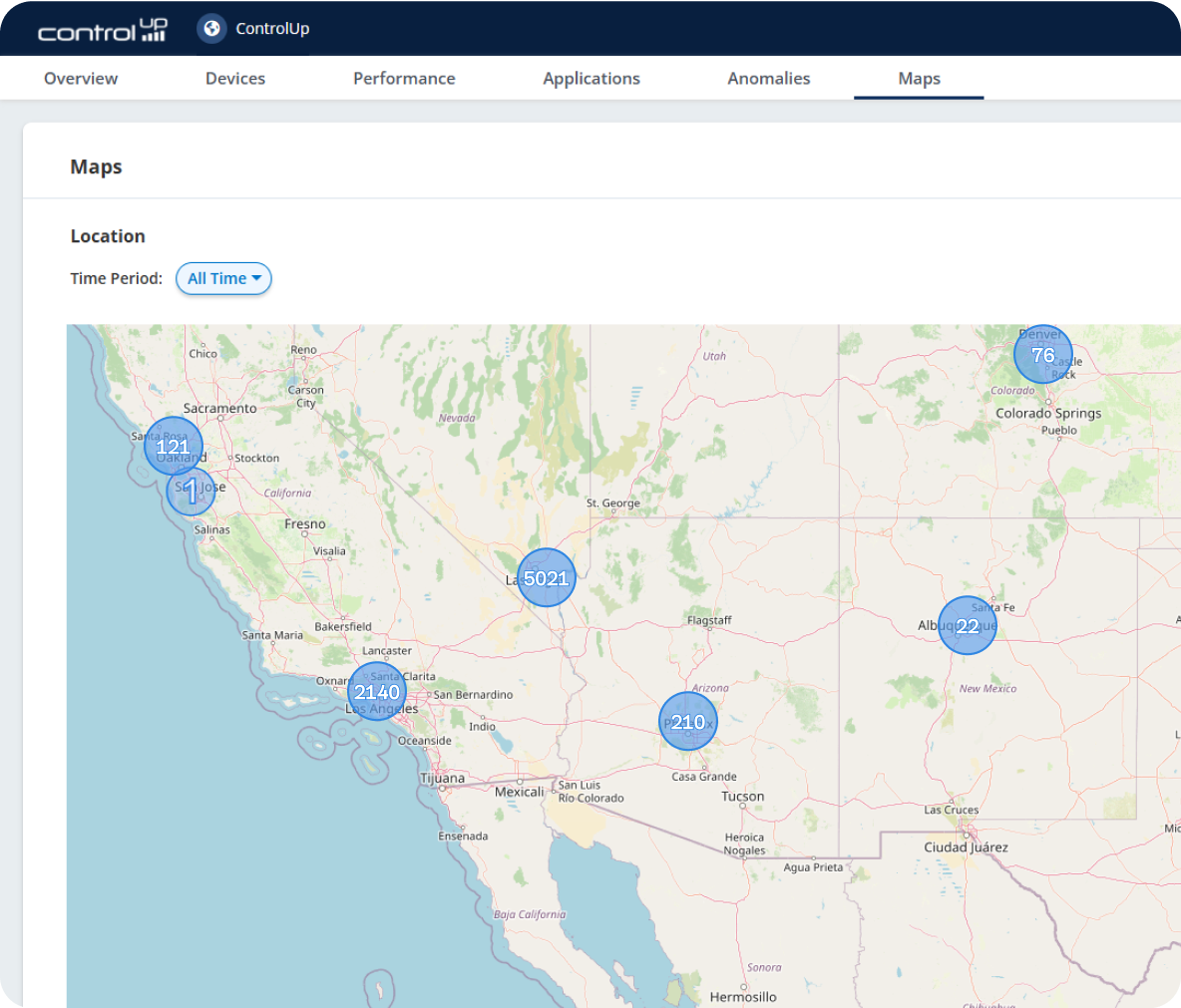
- Device location tracking for lost/stolen device response
- Performance telemetry to identify BYOD devices that create support burdens
 Intune mobile device management and similar MDM solutions provide the policy framework; telemetry ensures those policies work without disrupting the user experience.
Ultimately, a well-crafted BYOD strategy enhances employee satisfaction. People keep the flexibility they want, and IT teams get the security they need.
Intune mobile device management and similar MDM solutions provide the policy framework; telemetry ensures those policies work without disrupting the user experience.
Ultimately, a well-crafted BYOD strategy enhances employee satisfaction. People keep the flexibility they want, and IT teams get the security they need.
Mobile Device Lifecycle Management Through Circular IT
Mobile device lifecycle management (MDLM) spans every stage of a device’s operational life, from deployment to retirement. Each phase requires thoughtful planning and ongoing performance monitoring to maximize value, minimize risk, and support a more circular, sustainable IT model.
Deployment
Configure devices based on roles and usage needs. Smooth onboarding gets employees up and running quickly, with the right security guardrails and management controls in place.
Maintenance
Apply regular updates, patches, and optimizations. Monitoring battery health, storage, and app stability helps keep devices reliable over time.
Continuous Monitoring
Make it lifecycle management proactive, not reactive, by tracking:
- Device locations and status across the fleet
- Battery health trends over time
- Application resource consumption
- Network quality
- Usage patterns that inform procurement and optimization decisions

Retirement
Securely wipe and decommission devices to prevent data exposure, meet compliance requirements, and support responsible reuse or recycling.
At its core, effective MDLM relies on streamlined onboarding; automated updates and patch management; continuous performance monitoring; proactive battery and device health decisions based on real telemetry; and secure, auditable decommissioning.
Without visibility into true battery and device health, IT teams often replace components that aren’t actually failing. Research has shown that a significant number of IT leaders admit to needlessly replacing healthy batteries and even entire devices during troubleshooting—not because of failure, but because traditional MDM tools lack insight into the real root cause. These unnecessary replacements increase capital spend, operating expenses, and environmental waste across the device lifecycle.→ By overseeing the entire device lifecycle with deep performance telemetry at every stage, organizations make smarter repair and replacement decisions, extend device value, reduce downtime, and strengthen their mobile infrastructure more cost-effectively and sustainably.
Making The Case for Integration: Unified Platforms vs. Tool Sprawl
Tool sprawl is a growing concern for good reason. It fragments visibility, increases complexity, and overwhelms IT teams with disconnected data. Managing mobile devices effectively requires consolidated information from MDM, monitoring, security, and performance systems.
Learn more about tool consolidation for IT efficiency. ↗
Unified platforms offer a streamlined alternative. These platforms integrate monitoring, management, and security features to reduce noise and give IT clearer, more actionable insights. Still, many tools lack deep performance telemetry. Organizations often bridge this gap with specialized monitoring platforms that provide:- Real-time device performance metrics
- Battery health tracking
- Application resource analysis
- Network quality monitoring
- Predictive analytics
- Reduced operational complexity through consolidated dashboards
- Better cross-team collaboration via shared telemetry
- Seamless data flow between MDM, monitoring, and analytics systems
- Actionable insights rather than disconnected alerts
- Faster problem resolution through correlated data
Unified visibility into device control, device security, device tracking, and performance allows businesses to scale mobile infrastructure efficiently while improving the digital employee experience for everyone involved.
→ The goal isn’t one giant tool; it’s an ecosystem where mobile device management software and digital employee experience (DEX) software work together instead of in silos. For Mobile DEX, this means combining your existing MDM stack with telemetry and analytics built for Android enterprise frontline devices, rather than spinning up yet another disconnected tool.Related Resources
Blog:
Improve Frontline Worker Productivity and ROI ↗
Solution Brief:
Webinar:
The DEX Playbook: A Series to Solve Your Toughest IT Issues ↗
Measuring the Business Impact of MDM Through KPIs and ROI
It will come as no surprise that evaluating the success of enterprise mobile device management requires clear metrics tied to business outcomes. KPIs quantify program success across productivity, security, and user satisfaction. Essential KPIs include:- User satisfaction scores from regular surveys and helpdesk feedback
- Security incident rates from breaches, compliance violations, and policy exceptions
- Mean time to resolution for mobile device issues
- Device uptime and availability across different locations and user groups
- Battery-related support tickets indicating device health issues
- Application performance metrics showing resource consumption and stability
- Network quality scores by device location
- Policy compliance rates with trend analysis
- Lower support volumes via predictive issue resolution
- Extended device lifecycles through proactive battery and performance monitoring
- Reduced security incidents and associated remediation costs
- Improved employee productivity from consistent device performance
- Optimized application deployments based on usage and performance data
- Eliminating needless battery and device replacements when troubleshooting problems

Demonstrating Strategic Value
Link MDM investments to measurable outcomes such as:- Reduced downtime: Track incidents prevented through predictive analytics
- Performance optimization: Measure productivity gains from application and network improvements
- Security gains: Document threat prevention and compliance achievements
- User experience: Monitor satisfaction trends alongside performance metrics
Future-Proofing Your MDM Strategy
Adapting to evolving threats, technologies, and workforce needs requires an agile MDM strategy that prioritizes agility, change management, and innovation at its core. Agility Regularly reassess mobile device management tools, policies, and monitoring capabilities. As device fleets grow and business requirements shift, strategies for mobile device management should evolve accordingly. This means:- Updating security protocols based on threat intelligence
- Adopting new monitoring capabilities for emerging device types
- Refining policies based on usage data and compliance trends
- Integrating predictive analytics to stay ahead of performance issues
- Transparent communication about security requirements and performance monitoring
- Practical training that explains policy rationale and compliance procedures
- Feedback loops that identify policy friction points
- Cross-functional collaboration between department leaders
- Leveraging AI and machine learning for predictive issue detection
- Adopting advanced telemetry platforms that reveal device performance patterns
- Implementing automated remediation for common issues
- Exploring new remote management capabilities for distributed workforces
Conclusion: Empowering People Through Performance-Optimized Devices
Mobile device management is more than technical oversight. While critical for device security, its real value lies in improving how people work. When devices perform well, productivity rises. When issues pop up, proactive and predictive analytics help resolve them before they cause problems.→ Strategic mobile device management prioritizes both device control and device performance. By pairing MDM capabilities with DEX platform telemetry—battery health, application behavior, network quality, usage trends—IT moves from reactive support to strategic stewardship. Extending this to Mobile DEX ensures every worker benefits from the same level of care and visibility regardless of where they work.
Want to get there? Start with cross-functional collaboration and a shared focus on security, compliance, and performance for every worker, in every location. Remember: enable people, not just devices.See Mobile DEX in Action
Get a Demo
Q&A
Question: Why is MDM framed as a strategy rather than just software?
Short answer: It’s framed as a strategy because great MDM aligns technology with business goals through policy, process, and people. Beyond deploying tools, it requires careful planning, policy setting, process integration, and employee engagement. Cross-department collaboration (IT, HR, leadership), proactive monitoring, and automation turn MDM from a cost center into a driver of business value—improving the digital employee experience, safeguarding data, and tying outcomes to KPIs and ROI.Question: What are the key pillars of modern MDM, and how do they work together?
Short answer: Security, integration, usability, and automation form the foundation—and they reinforce each other. Strong security protects devices and data; seamless integration with existing IT minimizes disruption and leverages investments; user-friendly design drives adoption and satisfaction; and automation reduces manual work so IT can focus on strategy. Together, these pillars strengthen the organization’s MDM “tower,” boosting productivity and employee experience.Question: How do mobile app management and policy enforcement boost security without hurting user experience?
Short answer: By setting clear, targeted rules and maintaining them continuously. App management and policy enforcement use strict access controls, regular security updates, frequent usage audits, and employee training to protect sensitive data. The goal is balance: apply enough guardrails to ensure compliance and safety while avoiding excessive restrictions, so employees have the tools and flexibility they need to work efficiently.Question: What does a balanced BYOD and remote device management approach look like?
Short answer: It pairs flexibility with clear, enforceable safeguards. A strong BYOD strategy defines access permissions, requires encryption on personal devices, and monitors compliance. Remote device management tools enforce these policies at a distance, giving IT visibility and control without intruding on the user experience. Done well, this increases employee satisfaction and productivity while protecting company resources.Question: How should organizations measure the success of their MDM program?
Short answer: Use a mix of KPIs, ROI, and qualitative impact. Track metrics like user satisfaction, security incident rates, and time to resolve IT issues. Show the return on investment (ROI) by linking MDM to outcomes like less downtime and better employee performance. Also assess broader business impact, like better digital experiences, engagement, and innovation. Align measures with organizational goals, and leverage unified platforms and proactive monitoring to reduce tool sprawl and deliver more actionable results.Question: What is digital experience monitoring (DEM), and how does it boost productivity?
Short answer: DEM captures real-time insights into how apps, networks, and devices perform for employees, enabling proactive IT. By tracking application performance, monitoring network health, and detecting anomalies, IT can resolve issues before they impact users. This reduces downtime, streamlines workflows, and improves satisfaction. When DEM becomes part of an ongoing improvement cycle, it steadily removes friction from the digital workplace.Question: Why choose a unified platform over multiple point tools for MDM?
Short answer: Unified platforms consolidate management, monitoring, and security into a single, integrated environment, cutting complexity and tool sprawl. With fewer disconnected systems, IT gets clearer visibility and more actionable insights, collaboration improves, and data flows seamlessly. The result is lower operational noise, faster decision-making, and the ability to scale MDM as a strategic enabler of digital transformation.Question: What are the key stages of mobile device lifecycle management, and why do they matter?
Short answer: MDLM spans deployment, maintenance/monitoring, and retirement. Start with efficient onboarding tailored to user needs; keep devices updated and troubleshoot issues; continuously monitor performance; and securely decommission with thorough data wiping and proper disposal. Managing each stage well enhances security, minimizes downtime, and maximizes value across the device’s lifespan.Question: How should IT, HR, and leadership work together to make MDM successful?
Short answer: Treat MDM as a cross-functional program: co-create clear policies (IT for controls, HR for people impact, leadership for alignment), communicate changes early and often, and train employees to encourage adoption. Tie goals to KPIs and ROI so outcomes are visible. This mix turns MDM into a business value driver rather than a purely technical initiative.Question: How do agility, change management, and innovation future-proof an MDM strategy?
Short answer: Agility keeps MDM responsive to evolving threats and technologies; change management secures buy-in through communication and empathy; and innovation steadily improves usability and efficiency. Regular updates, cross-team collaboration, continuous learning, and predictive analytics help organizations stay resilient and aligned with the digital employee experience.Question: What does it mean to move “beyond MDM software” to a holistic MDM strategy?
Short answer: It means aligning device management with business objectives through policy, process, and people—not just tools. A strategic MDM program sets and enforces policies, integrates with IT workflows, involves cross-functional partners, and uses proactive monitoring and automation. The result is better security, smoother digital employee experiences, higher productivity, and outcomes tied directly to KPIs and ROI.
Kreston Reeves
Kreston Reeves cut ticket resolution time with real-time monitoring, enabling quick interventions before disruptions impacted employees.
Read Now

Aveniq
Aveniq, a managed service provider, streamlined IT operations and reduced manual interventions by leveraging DEX for smarter workplace solutions.
Read Now

Össur
Össur’s central IT team optimized resources while delivering an exceptional digital experience to 4,000 employees, reducing operational costs.
Read Now

Trinks
Trinks transformed its end-user computing environment to support remote work, improving employee satisfaction and meeting high-quality standards.
Read Now

CIO Solutions
CIO Solutions rapidly identified and resolved IT issues with real-time visibility and proactive troubleshooting, minimizing downtime and improving efficiency.
Read Now

eHealth NSW
eHealth NSW utilized DEX insights to make informed decisions that enhanced its IT environment and user experience.
Read Now
Get a Personalized Demo
See how ControlUp identifies issues and fixes them autonomously in minutes, not hours.
Get a Demo
