Mobile Device Management (MDM) ist mehr als nur Software. Es ist ein strategischer Ansatz zur Verwaltung mobiler Geräte, damit diese überall dort, wo gearbeitet wird, sicher, konform und zuverlässig bleiben. Es geht auch darum sicherzustellen, dass sie im gesamten Unternehmen eine konsistente und sichere Leistung erbringen. Doch für Unternehmen, die Remote- und Frontline-Teams unterstützen, greift herkömmliches MDM oft zu kurz, wenn es darum geht zu zeigen, wie sich diese Geräte in der realen Welt tatsächlich bewähren.
Inhaltsübersicht
- Die Kurzzusammenfassung
- Neugestaltung des Mobile Device Management im Unternehmen: Von der Software zur Strategie
- Die Säulen der modernen Verwaltung mobiler Geräte
- Mobile App Management und Richtliniendurchsetzung für eine mobile Belegschaft
- Digital Experience Monitoring für proaktive IT und zuverlässige Arbeitstage
- Einführung der digitalen Mitarbeitererfahrung an vorderster Front
- Ausgleich von BYOD-Strategien und Remotegeräteverwaltung
- Mobile Device Lifecycle Management durch Circular IT
- Plädoyer für Integration: Unified Platforms vs. Tool Sprawl
- Messung der geschäftlichen Auswirkungen von MDM durch KPIs und ROI
- Zukunftssicherheit für Ihre MDM-Strategie
- Fazit: Menschen durch leistungsoptimierte Geräte stärken
- Q&A
Die Kurzzusammenfassung
MDM ist eine strategische Disziplin, die Sicherheit, Integration, Benutzerfreundlichkeit und Automatisierung miteinander verbindet, um produktive mobile Arbeitskräfte zu unterstützen. Sie umfasst App-Management, Durchsetzung von Richtlinien, Überwachung der digitalen Erfahrung, BYOD-Strategien, Fernverwaltung und vollständige Praktiken für den Lebenszyklus von Geräten.
Wenn die IT-Abteilung durch Mobile-DEX-Funktionen – unterstützt durch Digital-Employee-Experience-Software (DEX) – erweitert wird, erhält sie tiefe Einblicke in die reale Leistung. Sie kann sofort den Batteriezustand, den Ressourcenverbrauch von Anwendungen, die Netzwerkqualität, Nutzungsmuster, Gerätestandorte und prädiktive Analysen einsehen. Damit kann die IT Probleme verhindern, bevor sie den Betrieb beeinträchtigen.
Zusammen minimieren MDM-Software und Mobile-DEX-Lösungen die Fragmentierung von Tools, stimmen die mobile Infrastruktur auf die Geschäftsanforderungen ab und verwandeln Geräte in zuverlässige, leistungsstarke Unternehmenswerte für jeden Mitarbeiter, der auf sie angewiesen ist.
Während MDM mit Software beginnt, wird die Verwaltung mobiler Geräte im großen Maßstab schnell zu einer operativen Herausforderung, die Sicherheit, Leistung und die digitale Mitarbeitererfahrung umfasst.
Unternehmen, die Flotten mobiler Geräte verwalten, stehen häufig vor anhaltenden Herausforderungen: Sicherheitsbedrohungen, Compliance-Anforderungen und die Komplexität, die mit der Gewährleistung einer effektiven Arbeit von Remote-Teams einhergeht. MDM-Lösungen bilden zwar die Grundlage, zeigen jedoch nicht immer auf, wie diese Geräte tatsächlich funktionieren, sobald sie sich in den Händen der Nutzer befinden.Echtes Mobile Device Management geht über die Bereitstellung und Richtliniendurchsetzung hinaus. Es erfordert kontinuierliche Transparenz, intelligentere Planung und fortlaufende Optimierung, die sowohl die Sicherheit als auch die digitale Mitarbeitererfahrung (DEX) stärken.
Ein effektives MDM vereint die Verwaltung mobiler Apps, die Überwachung des digitalen Nutzererlebnisses und Echtzeit-Telemetrie. Diese Kombination verschafft IT-Teams die notwendigen Einblicke, um von einer reaktiven Fehlerbehebung zu einem proaktiven Leistungsmanagement überzugehen.
Sicherheit hat weiterhin höchste Priorität. Die Durchsetzung mobiler Richtlinien schützt sensible Daten und gewährleistet die Einhaltung von Vorschriften, funktioniert jedoch am besten in Verbindung mit einem Echtzeit-Überblick über den Gerätestatus, das Anwendungsverhalten und die Netzwerkbedingungen.
A robust MDM strategy helps IT teams manage devices efficiently while accomplishing their bigger goals. And when that strategy includes frontline workers and their mobile devices—not just office-based employees—it becomes a powerful driver of Mobile DEX.
Neugestaltung des Mobile Device Management im Unternehmen: Von der Software zur Strategie
MDM has traditionally centered on mobile device management solutions and policy enforcement. While necessary, this approach often fails to answer critical questions, such as: Funktionieren die Geräte einwandfrei? Welche Apps verbrauchen am meisten Datenvolumen? Wo treten Verbindungsprobleme auf?
A strategic approach to mobile device management connects MDM solutions with business goals. It closes the gap between configuration and real-world performance by providing IT with the telemetry needed to understand how devices behave day to day. Successful MDM requires more than deploying tools. It demands:- Sicherheitsarchitektur die sich an neue Bedrohungen anpasst und gleichzeitig den Überblick über den Zustand der Geräte gewährleistet
- Tiefe Integration mit bestehender IT-Infrastruktur und Überwachungssystemen
- Leistungstelemetrie das offenbart, wie Geräte unter realen Bedingungen tatsächlich funktionieren
- Benutzerfreundliches Design das Reibungsverluste minimiert und sicheres, produktives Arbeiten ermöglicht
Predictive analytics and automated monitoring are essential, too. By forecasting issues—battery degradation, application resource spikes, network instability—before they impact users, IT shifts from firefighting to optimization.
Ultimately, shifting from “only software” to “holistic strategy” transforms MDM from a cost center into a driver of operational efficiency, productivity, and measurable ROI.
→ Machen Sie mobile Geräte zu einem Vorteil und nicht zu einem weiteren Problem, das es zu lösen gilt.

Die Säulen der modernen Verwaltung mobiler Geräte
Modernes MDM (Mobile Device Management) basiert auf vier Grundelementen, die eine effektive Gerätesteuerung, Benutzerzufriedenheit und organisatorische Effizienz vorantreiben.
Um diesen Ansatz zu veranschaulichen, stellen Sie sich MDM als einen stabilen Turm vor. Jede Säule stützt das Bauwerk und verdeutlicht, wie ein umfassendes Management das Fundament einer Organisation stärkt.Verstärkte Sicherheitsmaßnahmen
Sicherheit bildet die erste Säule. MDM-Lösungen müssen Geräte und sensible Daten vor Bedrohungen schützen und gleichzeitig den Überblick über den Sicherheitsstatus mobiler Geräte gewährleisten. Das bedeutet, dass die für Ihr Risikoprofil geeigneten Protokolle angewendet werden müssen – es geht nicht nur darum, weitere Einschränkungen hinzuzufügen.Nahtlose IT-Integration
Durch die Integration wird sichergestellt, dass MDM mit der bestehenden IT-Infrastruktur (Identitätssysteme, Netzwerküberwachung, Unified Endpoint Management (UEM)-Plattformen) zusammenarbeitet. Eine ordnungsgemäße Integration verringert Betriebsunterbrechungen, vermeidet redundante Tools und schafft einen einheitlicheren Überblick über den Zustand und die Leistung der Geräte.Benutzerfreundliches Design
Drittens fördert die Benutzerfreundlichkeit die Akzeptanz. Benutzerfreundliche Oberflächen und intuitive Designs sorgen dafür, dass Mitarbeiter Sicherheitsmaßnahmen aktiv nutzen, anstatt sie zu umgehen. Wenn die Verwaltung mobiler Geräte die Arbeit nicht behindert, verbessert sich die Compliance ganz von selbst.Prozessautomatisierung
Viertens reduziert die Automatisierung den manuellen Aufwand. Die Automatisierung von Routineaufgaben – wie Patch-Bereitstellungen, Compliance-Prüfungen und Richtlinienaktualisierungen – setzt IT-Teams frei, sich auf strategische Initiativen zu konzentrieren und gleichzeitig die Reaktionszeiten zu verbessern.Verbesserte Sichtbarkeit: Die fünfte Säule
Die traditionellen MDM-Säulen lassen eine entscheidende Lücke offen: how devices actually perform and are used in the real world.
Deep Telemetry enthüllt die Signale, die sich direkt auf Frontline-Mitarbeiter und deren digitale Erfahrung auswirken, darunter:- Batteriezustandstrends über Geräteklassen und -modelle hinweg
- Ressourcenverbrauch der Anwendung Das beeinträchtigt die Leistung.
- Netzqualität für Mobilfunk und WLAN an verschiedenen Gerätestandorten
- Nutzungsmuster die Optimierungsstrategien beeinflussen
- Prädiktive Indikatoren drohender Ausfälle
Und wenn Telemetrie mit Analysen kombiniert wird, wird aus Transparenz Intelligenz … die Muster aufdeckt, Probleme vorhersagt und proaktive IT-Maßnahmen anleitet, bevor es zu Betriebsstörungen kommt.
→ Infolgedessen kann die IT Trends früher erkennen, Probleme schneller beheben und nachvollziehen, wie Gerätemodelle, Apps und Standorte die Leistung beeinflussen.
Durch das Verständnis dieser Elemente und die Erweiterung bestehender MDM-Strategien um tiefgehende Leistungstelemetrie können Unternehmen die Grundlagen, auf die sie sich bereits verlassen, stärken (nicht ersetzen), um sowohl die technische Effizienz als auch reale Geschäftsergebnisse zu unterstützen.
Mobile App Management und Richtliniendurchsetzung für eine mobile Belegschaft
Das Mobile Application Management geht über Anforderungskataloge und Installationskontrollen hinaus. Es erfordert das Verständnis darüber, welche Apps übermäßig viele Ressourcen verbrauchen, Sicherheitslücken schaffen oder die Geräteleistung beeinträchtigen.
Policy enforcement is key; it involves setting clear guidelines for app usage, data access, and device configuration. However, policy without insight often leads to over-restriction or blind spots.Organizations should consider the following strategies:
- Strengere Zugriffskontrollen an rollenbasierte Berechtigungen gebunden
- Reguläres Sicherheitsprotokoll Aktualisierungen basierend auf Bedrohungsinformationen
- Kontinuierliche Prüfungen der App-Nutzung und des Ressourcenverbrauchs
- Mitarbeiterschulung zur Richtlinienbegründung und zu den Verfahren für die mobile Compliance
- Leistungsüberwachung problematische Anwendungen zu identifizieren, bevor sie die Produktivität beeinträchtigen
When mobile policy enforcement incorporates device telemetry—tracking which apps cause battery drain, excessive data usage, or device instability—IT can make informed decisions about application allowlists and restrictions.
This approach ensures mobile app management contributes to both security and productivity rather than trading one for the other.

Digital Experience Monitoring für proaktive IT und zuverlässige Arbeitstage
Um die Produktivität aufrechtzuerhalten, muss man verstehen, wie sich Technologie auf die Leistung der Mitarbeiter auswirkt. Die Überwachung der digitalen Nutzererfahrung liefert dieses Verständnis, doch bei herkömmlichen Überwachungsmethoden werden mobilgerätespezifische Probleme oft übersehen.
Proaktive IT bedeutet, Probleme vorherzusehen und sie durch prädiktive Analysen, Echtzeit-Telemetrie und automatisierte Lösungsansätze umgehend zu beheben. Dies minimiert Ausfallzeiten, verhindert Frustration und hilft der IT, Probleme zu beheben, bevor sie eskalieren … oft noch bevor die Benutzer sie überhaupt bemerken. Ein effektives Monitoring der digitalen Nutzererfahrung für mobile Geräte sollte:
- Netzwerkstatus überwachen über verschiedene Gerätestandorte und Verbindungstypen hinweg
- Nutzungsanomalien erkennen die auf Sicherheitsprobleme oder Leistungseinbußen hindeuten
- Batteriezustand messen um unerwartete Geräteausfälle zu verhindern
- Prognoseprobleme unter Verwendung von prädiktiven Analysen, die Verschlechterungsmuster erkennen
- Anwendungsnutzung verfolgen über das gesamte Unternehmen hinweg, um untergenutzte oder ungenutzte Softwareausgaben zu finden
That level of visibility lets IT teams refine configurations, optimize application deployments, and address infrastructure issues before they generate helpdesk tickets. Improved performance directly correlates with increased employee satisfaction.
→ Kurz gesagt: minimale Unterbrechungen für die Mitarbeiter, weniger Notfälle für die IT und reibungslosere Arbeitstage für alle.
Mobile DEX for Every Employee
Most digital employee experience (DEX) programs focus on office-based, knowledge workers who spend all day at their computers. But in many organizations, the people who move products, serve customers, repair infrastructure, work in warehouses, or sell in the field depend entirely on mobile devices to do their jobs. And so do the growing number of remote and hybrid employees who are rarely, if ever, at a desk.
This is where Mobile Digital Employee Experience (Mobile DEX) comes in. Mobile DEX extends traditional DEX practices to every worker and their mobile devices, apps, and network connections. The idea is simple: if their mobile tech fails, their work stops… and so does the business process they support.
Field teams, remote, and hybrid employees face different challenges than full-time, in-office workers:
- Devices operate in harsh, shared, or constantly moving environments
- Connectivity can drop in vehicles, remote areas, or large facilities
- Batteries must last an entire shift, not just a few hours at a desk
- Critical apps can’t randomly crash without impacting customers or operations
Research shows that mobile issues regularly block work across the organization. That’s lost productivity, lost revenue, and a lot of preventable frustration.

Mobile DEX closes this gap in enterprise mobility management by combining telemetry, analytics, and proactive support specifically for mobile use cases. It focuses on:
- Real-time device health, like battery, storage, utilization, & predictive failures
- App performance analytics, like usage and the impact on productivity
- Network and connectivity insight, like dead zones, signal quality, & timing issues
- Mobile device KPIs, like reboots, disconnects, device drops, failure patterns
- Integrated support & remediation that shrinks mean time to resolution (MTTR)
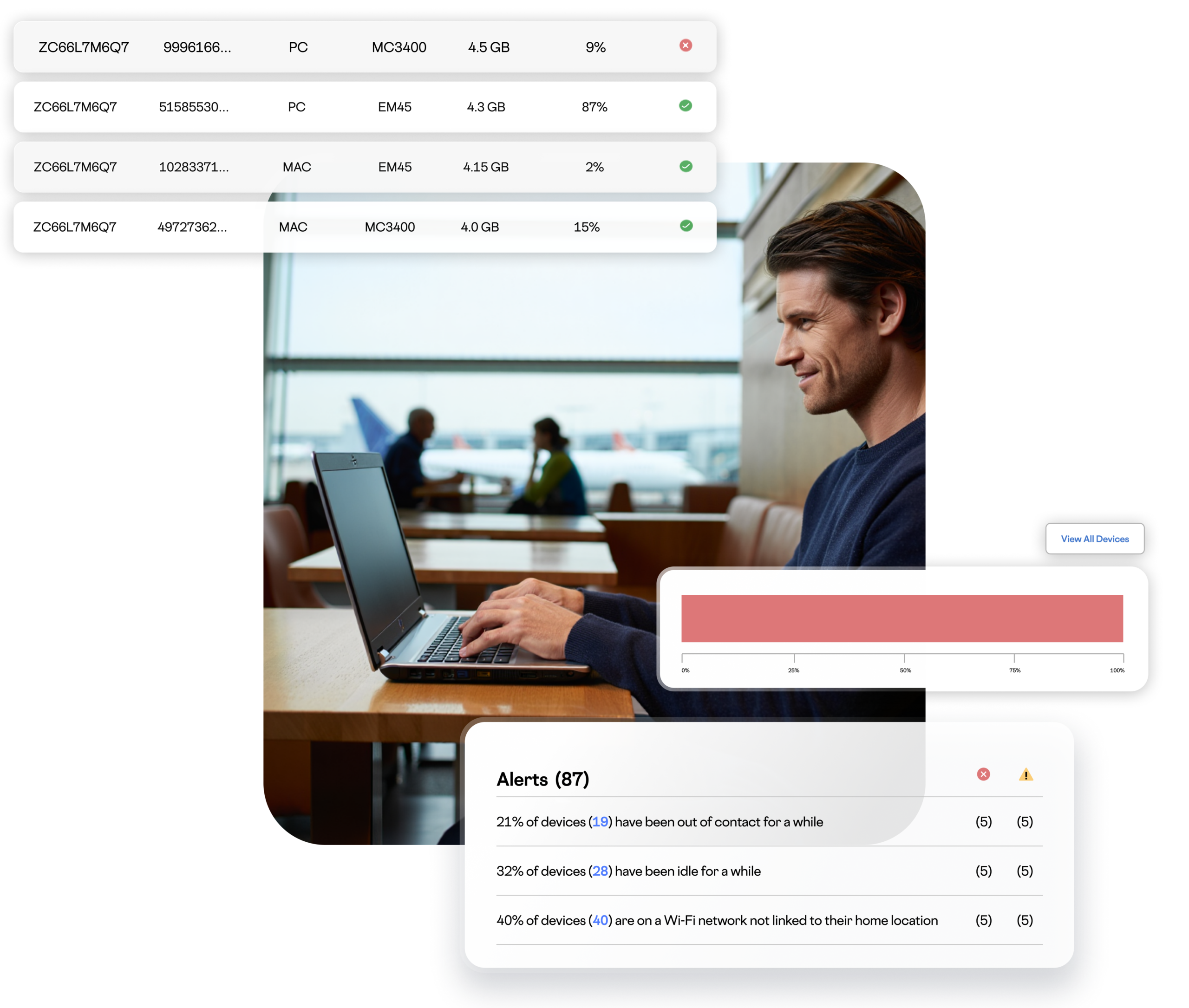
Mobile DEX capabilities are built directly into ControlUp, so mobile visibility becomes an extension of your existing MDM strategy rather than a separate stack. Layer Mobile DEX telemetry and analytics on top of your MDM/EMM/UEM tools to measure and improve the true experience of every employee, wherever they work.
Ausgleich von BYOD-Strategien und Remotegeräteverwaltung
The rise of BYOD (Bring Your Own Device) strategies highlights a need for flexible work environments. Employees enjoy the freedom to use personal devices, but this introduces security challenges and management complexity. Remote device management becomes crucial to maintain a secure digital workspace without sacrificing the flexibility employees demand.
Organizations must implement well-thought-out BYOD strategies that balance autonomy with control. These strategies require clear policies and guidelines. Establishing rules for device usage and data access is a priority. Key elements include:- Granular access permissions for sensitive data based on device compliance status
- Encryption requirements for both personal and corporate data containers
- Continuous compliance monitoring rather than point-in-time checks
- Device location tracking for lost/stolen device response
- Performance telemetry to identify BYOD devices that create support burdens
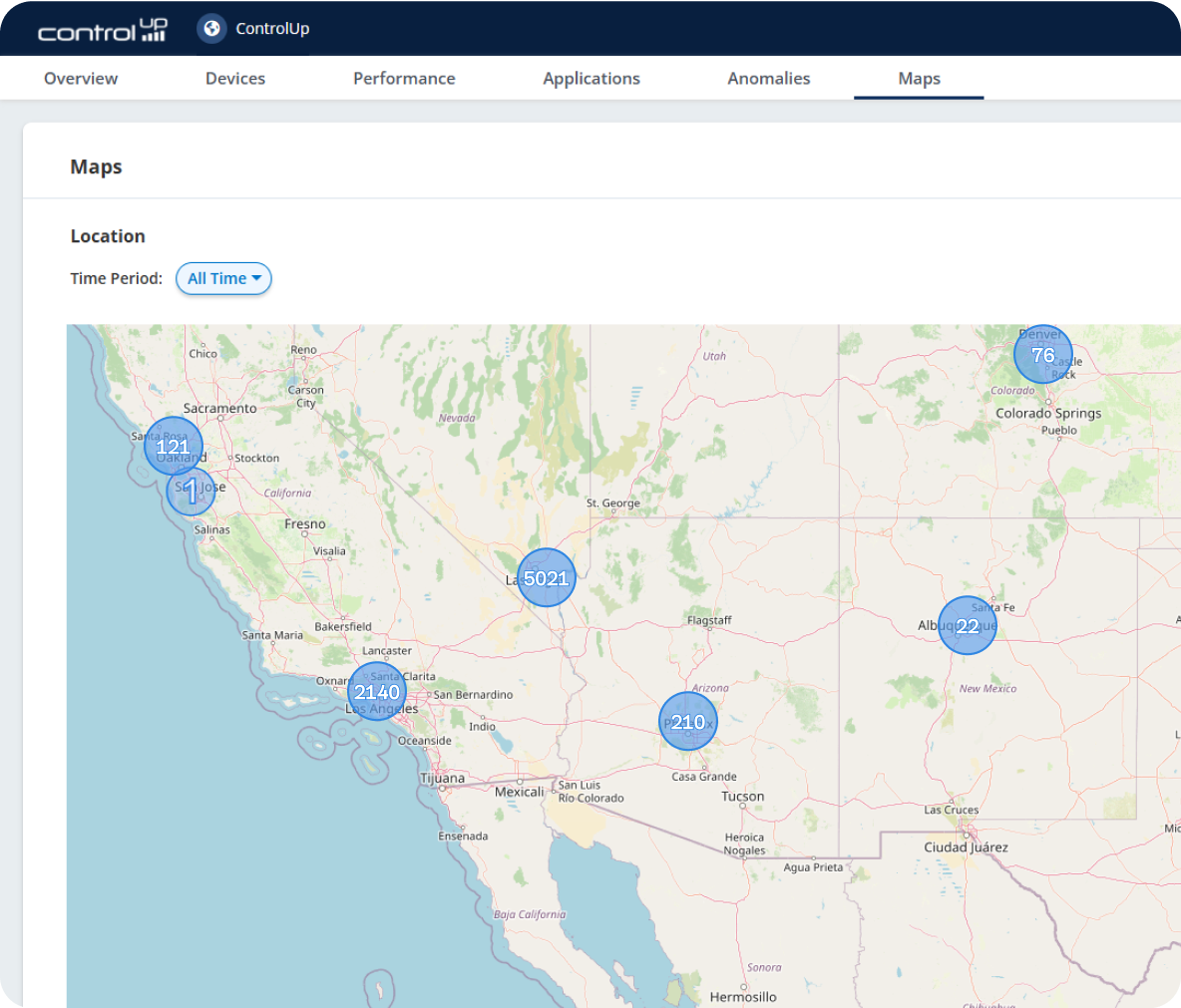 Intune mobile device management and similar MDM solutions provide the policy framework; telemetry ensures those policies work without disrupting the user experience.
Ultimately, a well-crafted BYOD strategy enhances employee satisfaction. People keep the flexibility they want, and IT teams get the security they need.
Intune mobile device management and similar MDM solutions provide the policy framework; telemetry ensures those policies work without disrupting the user experience.
Ultimately, a well-crafted BYOD strategy enhances employee satisfaction. People keep the flexibility they want, and IT teams get the security they need.
Mobile Device Lifecycle Management durch Circular IT
Mobile device lifecycle management (MDLM) spans every stage of a device’s operational life, from deployment to retirement. Each phase requires thoughtful planning and ongoing performance monitoring to maximize value, minimize risk, and support a more circular, sustainable IT model.
Deployment
Configure devices based on roles and usage needs. Smooth onboarding gets employees up and running quickly, with the right security guardrails and management controls in place.
Maintenance
Apply regular updates, patches, and optimizations. Monitoring battery health, storage, and app stability helps keep devices reliable over time.
Continuous Monitoring
Make it lifecycle management proactive, not reactive, by tracking:
- Device locations and status across the fleet
- Battery health trends over time
- Ressourcenverbrauch der Anwendung
- Network quality
- Usage patterns that inform procurement and optimization decisions

Retirement
Securely wipe and decommission devices to prevent data exposure, meet compliance requirements, and support responsible reuse or recycling.
At its core, effective MDLM relies on streamlined onboarding; automated updates and patch management; continuous performance monitoring; proactive battery and device health decisions based on real telemetry; and secure, auditable decommissioning.
Without visibility into true battery and device health, IT teams often replace components that aren’t actually failing. Research has shown that a significant number of IT leaders admit to needlessly replacing healthy batteries and even entire devices during troubleshooting—not because of failure, but because traditional MDM tools lack insight into the real root cause. These unnecessary replacements increase capital spend, operating expenses, and environmental waste across the device lifecycle.→ By overseeing the entire device lifecycle with deep performance telemetry at every stage, organizations make smarter repair and replacement decisions, extend device value, reduce downtime, and strengthen their mobile infrastructure more cost-effectively and sustainably.
Plädoyer für Integration: Unified Platforms vs. Tool Sprawl
Tool sprawl is a growing concern for good reason. It fragments visibility, increases complexity, and overwhelms IT teams with disconnected data. Managing mobile devices effectively requires consolidated information from MDM, monitoring, security, and performance systems.
Learn more about tool consolidation for IT efficiency. ↗
Unified platforms offer a streamlined alternative. These platforms integrate monitoring, management, and security features to reduce noise and give IT clearer, more actionable insights. Still, many tools lack deep performance telemetry. Organizations often bridge this gap with specialized monitoring platforms that provide:- Real-time device performance metrics
- Battery health tracking
- Application resource analysis
- Network quality monitoring
- Predictive analytics
- Reduced operational complexity through consolidated dashboards
- Better cross-team collaboration via shared telemetry
- Seamless data flow between MDM, monitoring, and analytics systems
- Actionable insights rather than disconnected alerts
- Faster problem resolution through correlated data
Unified visibility into device control, security, tracking, and performance allows businesses to scale mobile infrastructure efficiently while improving the digital employee experience for everyone involved.
→ The goal isn’t one giant tool; it’s an ecosystem where mobile device management software and digital employee experience (DEX) software work together instead of in silos. For Mobile DEX, this means combining your existing MDM stack with telemetry and analytics built for Android enterprise devices, rather than spinning up yet another disconnected tool.
Zugehörige Ressourcen
Blog:
Verbessern Sie die Produktivität und den ROI der Mitarbeiter an der Frontlinie ↗Solution Brief:
Endpunktsicherheit und Compliance ↗Webinar:
The DEX Playbook: A Series to Solve Your Toughest IT Issues ↗Messung der geschäftlichen Auswirkungen von MDM durch KPIs und ROI
It will come as no surprise that evaluating the success of enterprise mobile device management requires clear metrics tied to business outcomes. KPIs quantify program success across productivity, security, and user satisfaction.Essential KPIs include:
- User satisfaction scores from regular surveys and helpdesk feedback
- Security incident rates from breaches, compliance violations, and policy exceptions
- Mean time to resolution for mobile device issues
- Device uptime and availability across different locations and user groups
- Battery-related support tickets indicating device health issues
- Application performance metrics showing resource consumption and stability
- Network quality scores by device location
- Policy compliance rates with trend analysis
- Lower support volumes via predictive issue resolution
- Extended device lifecycles through proactive battery and performance monitoring
- Reduced security incidents and associated remediation costs
- Improved employee productivity from consistent device performance
- Optimized application deployments based on usage and performance data
- Eliminating needless battery and device replacements when troubleshooting problems

Demonstrating Strategic Value
Link MDM investments to measurable outcomes such as:- Reduced downtime: Track incidents prevented through predictive analytics
- Performance optimization: Measure productivity gains from application and network improvements
- Security gains: Document threat prevention and compliance achievements
- User experience: Monitor satisfaction trends alongside performance metrics
Zukunftssicherheit für Ihre MDM-Strategie
Adapting to evolving threats, technologies, and workforce needs requires an agile MDM strategy that prioritizes agility, change management, and innovation at its core.Agility
Regularly reassess mobile device management tools, policies, and monitoring capabilities. As device fleets grow and business requirements shift, strategies for mobile device management should evolve accordingly. This means:- Updating security protocols based on threat intelligence
- Adopting new monitoring capabilities for emerging device types
- Refining policies based on usage data and compliance trends
- Integrating predictive analytics to stay ahead of performance issues
Change Management
Change management determines whether new policies succeed. Clear communication and empathy help employees understand why changes exist and how they improve the digital employee experience. With this, adoption improves. Focus on:- Transparent communication about security requirements and performance monitoring
- Practical training that explains policy rationale and compliance procedures
- Feedback loops that identify policy friction points
- Cross-functional collaboration between department leaders
Innovation
Stay current with technologies that enhance both efficiency and user experience without adding unnecessary complexity. Consider:- Leveraging AI and machine learning for predictive issue detection
- Adopting advanced telemetry platforms that reveal device performance patterns
- Implementing automated remediation for common issues
- Exploring new remote management capabilities for distributed workforces
Fazit: Menschen durch leistungsoptimierte Geräte stärken
Mobile device management is more than technical oversight. While critical for device security, its real value lies in improving how people work.When devices perform well, productivity rises. When issues pop up, proactive and predictive analytics help resolve them before they cause problems.
→ Strategic mobile device management prioritizes both device control and device performance. By pairing MDM capabilities with DEX platform telemetry—battery health, application behavior, network quality, usage trends—IT moves from reactive support to strategic stewardship. Extending this to Mobile DEX ensures every worker benefits from the same level of care and visibility regardless of where they work.
Want to get there? Start with cross-functional collaboration and a shared focus on security, compliance, and performance for every worker, in every location.
Remember: enable people, not just devices.
See Mobile DEX in Action
Demo anfordern
Fragen und Antworten
Question: Why is MDM framed as a strategy rather than just software?
Short answer: It’s framed as a strategy because great MDM aligns technology with business goals through policy, process, and people. Beyond deploying tools, it requires careful planning, policy setting, process integration, and employee engagement. Cross-department collaboration (IT, HR, leadership), proactive monitoring, and automation turn MDM from a cost center into a driver of business value—improving the digital employee experience, safeguarding data, and tying outcomes to KPIs and ROI.Question: What are the key pillars of modern MDM, and how do they work together?
Short answer: Security, integration, usability, and automation form the foundation—and they reinforce each other. Strong security protects devices and data; seamless integration with existing IT minimizes disruption and leverages investments; user-friendly design drives adoption and satisfaction; and automation reduces manual work so IT can focus on strategy. Together, these pillars strengthen the organization’s MDM “tower,” boosting productivity and employee experience.Question: How do mobile app management and policy enforcement boost security without hurting user experience?
Short answer: By setting clear, targeted rules and maintaining them continuously. App management and policy enforcement use strict access controls, regular security updates, frequent usage audits, and employee training to protect sensitive data. The goal is balance: apply enough guardrails to ensure compliance and safety while avoiding excessive restrictions, so employees have the tools and flexibility they need to work efficiently.Question: What does a balanced BYOD and remote device management approach look like?
Short answer: It pairs flexibility with clear, enforceable safeguards. A strong BYOD strategy defines access permissions, requires encryption on personal devices, and monitors compliance. Remote device management tools enforce these policies at a distance, giving IT visibility and control without intruding on the user experience. Done well, this increases employee satisfaction and productivity while protecting company resources.Question: How should organizations measure the success of their MDM program?
Short answer: Use a mix of KPIs, ROI, and qualitative impact. Track metrics like user satisfaction, security incident rates, and time to resolve IT issues. Show the return on investment (ROI) by linking MDM to outcomes like less downtime and better employee performance. Also assess broader business impact, like better digital experiences, engagement, and innovation. Align measures with organizational goals, and leverage unified platforms and proactive monitoring to reduce tool sprawl and deliver more actionable results.Question: What is digital experience monitoring (DEM), and how does it boost productivity?
Short answer: DEM captures real-time insights into how apps, networks, and devices perform for employees, enabling proactive IT. By tracking application performance, monitoring network health, and detecting anomalies, IT can resolve issues before they impact users. This reduces downtime, streamlines workflows, and improves satisfaction. When DEM becomes part of an ongoing improvement cycle, it steadily removes friction from the digital workplace.Question: Why choose a unified platform over multiple point tools for MDM?
Short answer: Unified platforms consolidate management, monitoring, and security into a single, integrated environment, cutting complexity and tool sprawl. With fewer disconnected systems, IT gets clearer visibility and more actionable insights, collaboration improves, and data flows seamlessly. The result is lower operational noise, faster decision-making, and the ability to scale MDM as a strategic enabler of digital transformation.Question: What are the key stages of mobile device lifecycle management, and why do they matter?
Short answer: MDLM spans deployment, maintenance/monitoring, and retirement. Start with efficient onboarding tailored to user needs; keep devices updated and troubleshoot issues; continuously monitor performance; and securely decommission with thorough data wiping and proper disposal. Managing each stage well enhances security, minimizes downtime, and maximizes value across the device’s lifespan.Question: How should IT, HR, and leadership work together to make MDM successful?
Short answer: Treat MDM as a cross-functional program: co-create clear policies (IT for controls, HR for people impact, leadership for alignment), communicate changes early and often, and train employees to encourage adoption. Tie goals to KPIs and ROI so outcomes are visible. This mix turns MDM into a business value driver rather than a purely technical initiative.Question: How do agility, change management, and innovation future-proof an MDM strategy?
Short answer: Agility keeps MDM responsive to evolving threats and technologies; change management secures buy-in through communication and empathy; and innovation steadily improves usability and efficiency. Regular updates, cross-team collaboration, continuous learning, and predictive analytics help organizations stay resilient and aligned with the digital employee experience.Question: What does it mean to move “beyond MDM software” to a holistic MDM strategy?
Short answer: It means aligning device management with business objectives through policy, process, and people—not just tools. A strategic MDM program sets and enforces policies, integrates with IT workflows, involves cross-functional partners, and uses proactive monitoring and automation. The result is better security, smoother digital employee experiences, higher productivity, and outcomes tied directly to KPIs and ROI.
Kreston Reeves
Kreston Reeves verkürzte die Bearbeitungszeit von Supportanfragen durch Echtzeitüberwachung und ermöglichte so ein schnelles Eingreifen, bevor Störungen die Mitarbeiter beeinträchtigten.
Jetzt lesen

Aveniq
Aveniq, ein Managed Service Provider, optimierte IT-Betriebsabläufe und reduzierte manuelle Eingriffe durch den Einsatz von DEX für intelligentere Arbeitsplatzlösungen.
Jetzt lesen

Össur
Össurs zentrales IT-Team optimierte seine Ressourcen, während es 4.000 Mitarbeitern ein außergewöhnliches digitales Erlebnis bot und die Betriebskosten senkte.
Jetzt lesen

Trinkt
Trinks hat seine Endbenutzer-Computing-Umgebung für die Unterstützung von Remote-Arbeit umgestaltet, wodurch die Mitarbeiterzufriedenheit verbessert und hohe Qualitätsstandards erfüllt wurden.
Jetzt lesen

CIO-Lösungen
CIO Solutions identifizierte und löste IT-Probleme schnell mit Echtzeit-Transparenz und proaktiver Fehlerbehebung, wodurch Ausfallzeiten minimiert und die Effizienz gesteigert wurden.
Jetzt lesen

eHealth NSW
eHealth NSW nutzte DEX-Einblicke, um fundierte Entscheidungen zu treffen, die seine IT-Umgebung und das Benutzererlebnis verbesserten.
Jetzt lesen
Erhalten Sie eine personalisierte Demo
Sehen Sie, wie ControlUp Probleme identifiziert und autonom in Minuten statt Stunden behebt.
Demo anfordern

We've detected you might be speaking a different language.
Do you want to change to:
 English English
  Deutsch
 Français